Ashley Homestore Water Intrusion Investigation in San Antonio
What the Client Was Experiencing
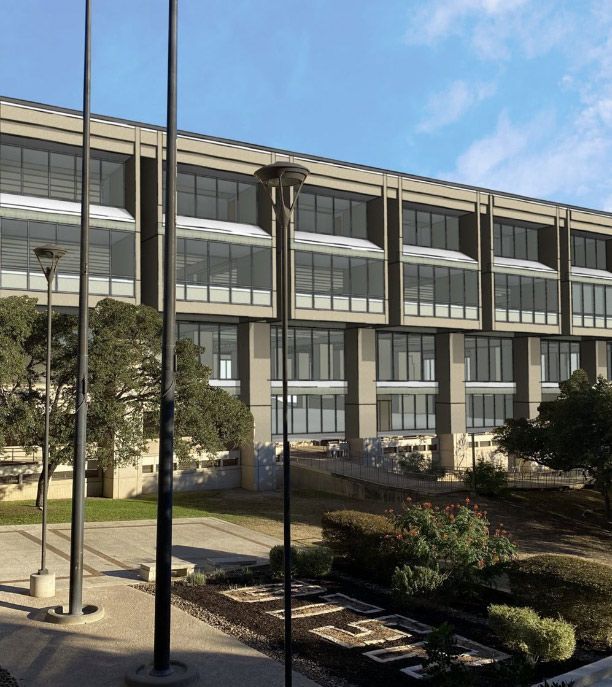
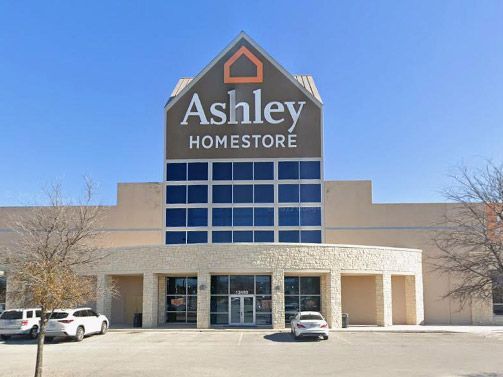
Ashley Homestore had reported water intrusion concerns associated with multiple areas of the atrium tower. From a building envelope standpoint, that type of complaint can point to more than one possible failure point. Leaks around an atrium or storefront assembly may be related to the wall system, sealants, transitions above the fenestration, or other details that are not obvious from the interior alone.
The priority on this project was to determine whether active water intrusion could be confirmed, narrow down where it was occurring, and give the client a more reliable basis for next-step repairs.
Our Water Intrusion Testing Approach
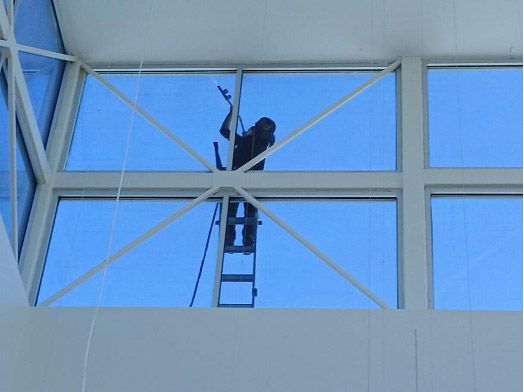
Building Envelope Solutions performed targeted diagnostic testing at the atrium tower as part of a commercial water intrusion investigation. Our tests included: AAMA 501, ASTM E1186, and ASTM E1105.
Rather than treating the issue as a generic leak complaint, the testing was used to compare building faces, observe how the assembly responded, and identify whether moisture entry could be reproduced in specific locations.
This type of work is important because commercial leak complaints are frequently misdiagnosed. A repair contractor may focus on the first visible symptom, while the true entry path may be higher up the wall, at a transition, or at a detail that was installed incorrectly. A structured testing process helps the owner move closer to the root cause instead of guessing.
What Building Envelope Solutions Found
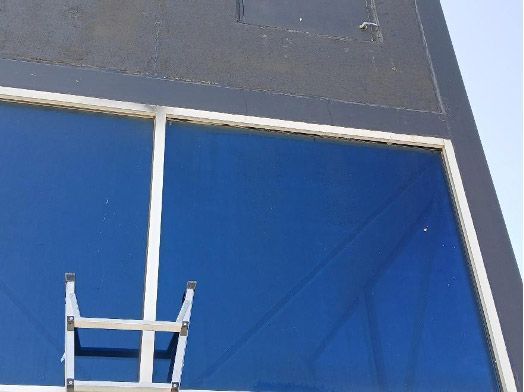
The investigation helped separate where intrusion was occurring and where it was not. Testing did not show water intrusion on the north face during the observed conditions. By contrast, active intrusion was observed on the east side of the atrium tower above the windows, confirming that the problem was tied to specific envelope conditions rather than a uniform issue across the entire tower.
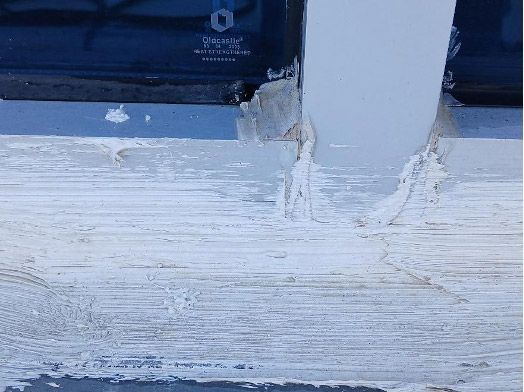
The field observations also pointed to visible distress at the exterior. Cracking was noted above the windows in the area of concern, and sealant-related defects were observed, including continuity issues at recent sealant work. Taken together, those findings supported the conclusion that the client was dealing with more than a surface stain or isolated maintenance issue. The conditions indicated a building envelope problem that needed a defined repair plan.
How We Helped
The value of this project was not just in confirming that water intrusion existed. It was in helping the client understand where the issue was occurring, what visible conditions were contributing to the problem, and what needed to happen next to protect the building.
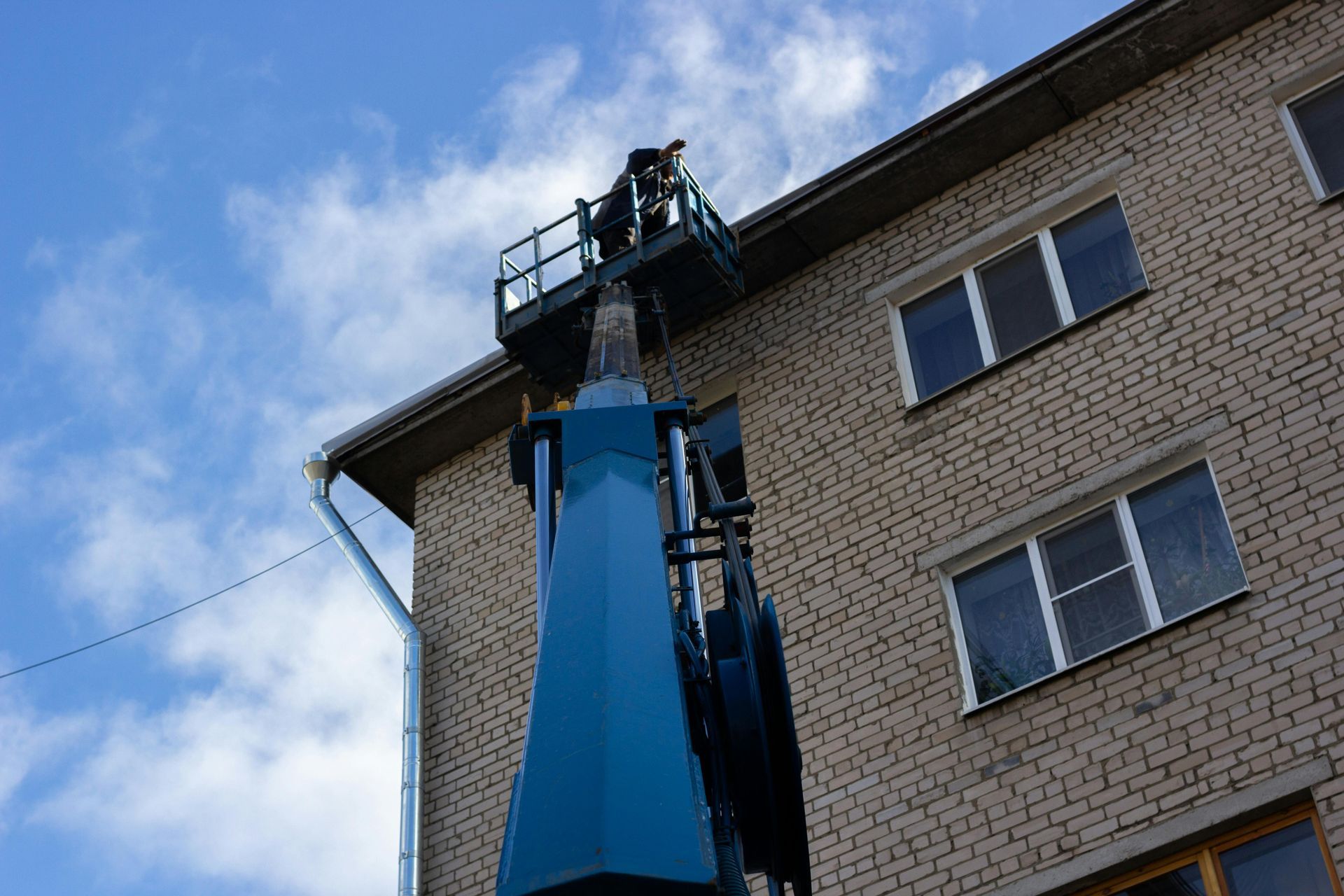
Based on the findings, Building Envelope Solutions recommended a Scope of Work for EIFS wall repair at the affected window fenestrations along with quality assurance testing. Additional testing was also recommended in areas that required man-lift access so the owner could work toward a more complete and watertight building envelope.
That kind of guidance helps owners avoid incomplete repairs, repeated patchwork, and unnecessary spending. Instead of moving forward with assumptions, the client was left with a clearer path for repair planning and follow-up evaluation.
Why This Matters for Commercial Properties
Water intrusion problems in San Antonio commercial buildings are rarely limited to what is visible inside the space. Heat, weather exposure, material movement, sealant aging, and installation deviations can all contribute to leaks around walls, glazing systems, and roof-to-wall transitions. Without proper testing, a property owner may end up fixing symptoms instead of the actual source.
This Ashley Homestore project is a strong example of why commercial leak investigation should focus on building envelope performance, not just surface-level repair. When a consultant can isolate the area of intrusion and connect it to actionable next steps, the owner is in a far better position to protect the property and budget.
Need Water Intrusion Testing in San Antonio?
If your building is dealing with recurring leaks, moisture around windows, wall-system concerns, or unresolved water intrusion, Building Envelope Solutions can help you diagnose the issue and plan the right next step. Contact our team to schedule water intrusion testing, leak investigation, or a broader building envelope assessment in the San Antonio area.