UTSA John Peace Library Water Infiltration Investigation
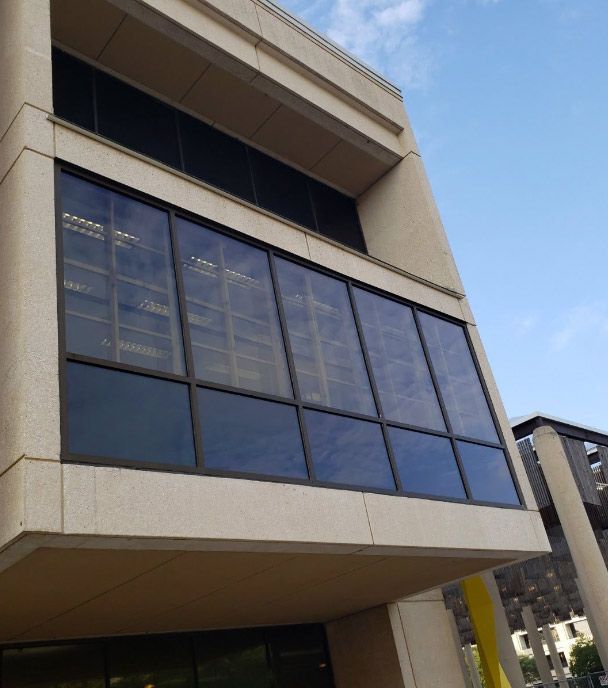
What the Client Was Experiencing
The UTSA John Peace Library was dealing with water infiltration concerns that required a closer evaluation of the curtain wall assembly. In a building like this, leaks may appear to come from the window system, but the actual source is not always obvious from interior symptoms alone. Water can travel through adjacent wall components, transitions, sealant joints, or surrounding envelope details before it becomes visible inside.
The goal of this investigation was to determine whether the curtain wall was allowing water intrusion under test conditions, identify how the assembly performed under pressure and spray testing, and help the client move closer to the actual source of the problem.
Our Water Infiltration Testing Approach
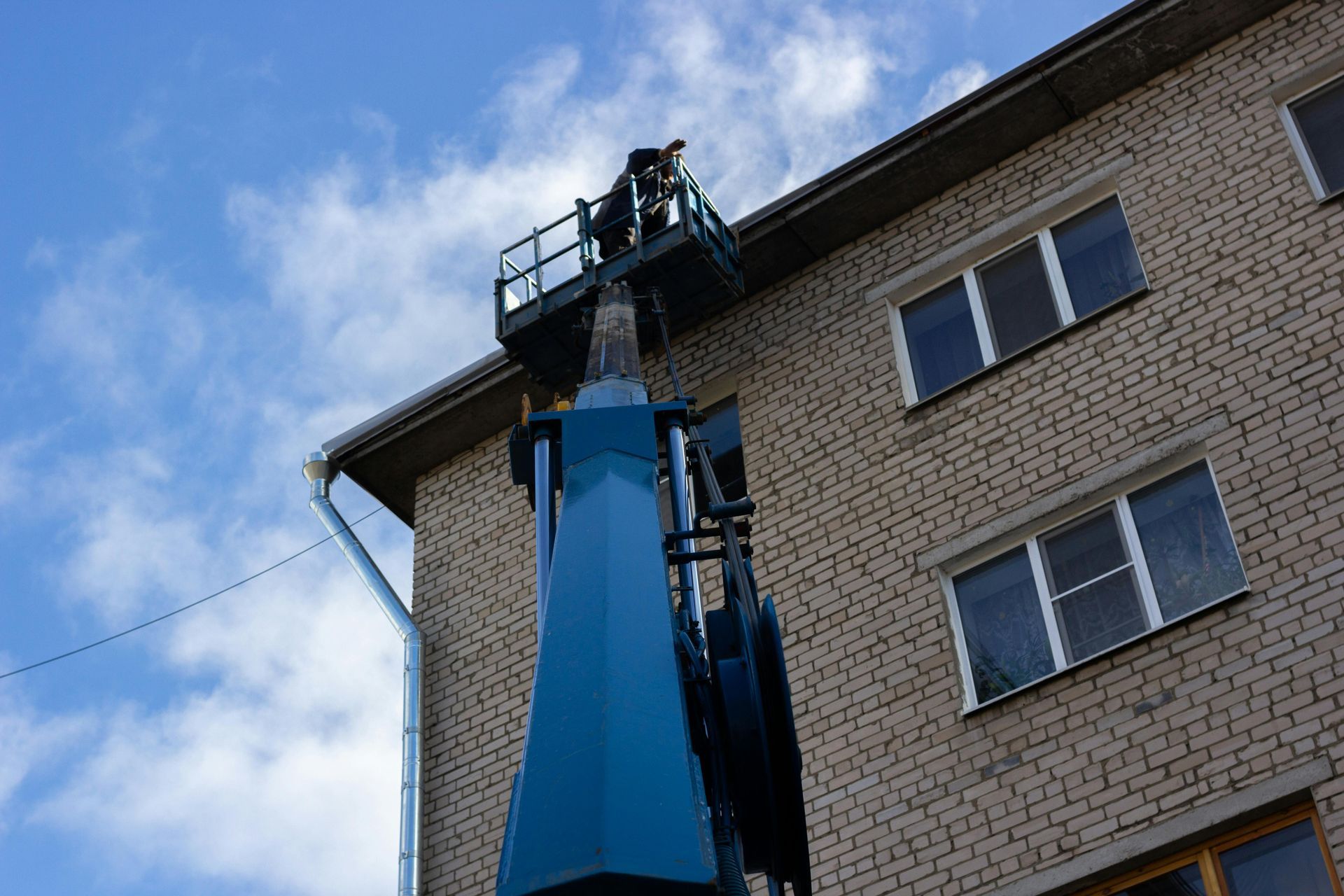
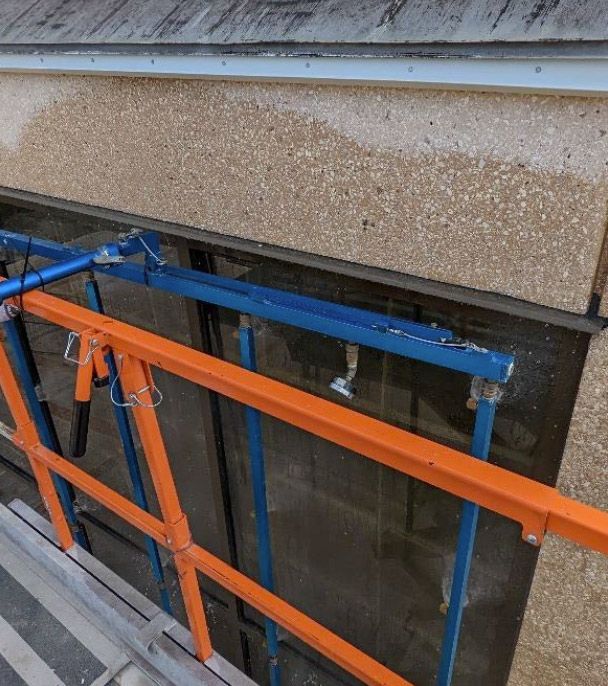
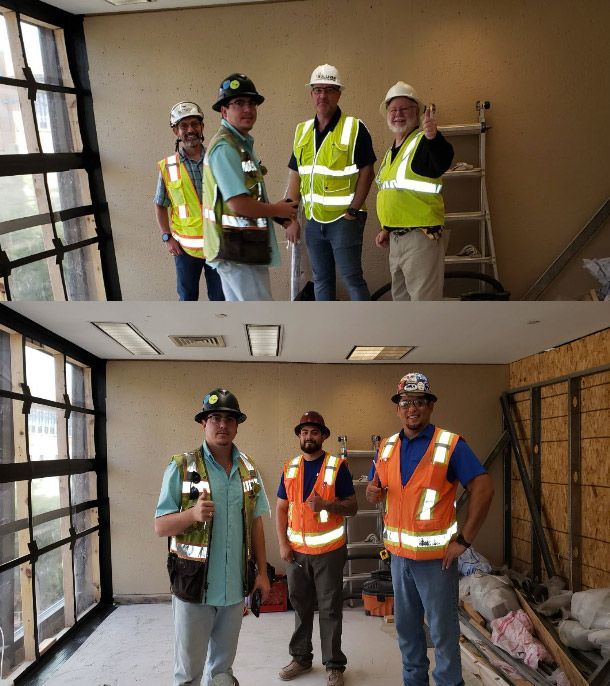
Building Envelope Solutions carried out a structured water infiltration investigation at the UTSA John Peace Library in San Antonio. According to the project PDF, the procedure included four major phases: selection of the curtain wall assembly, construction of the air chamber frame wall, air chamber and equipment calibration, and water infiltration testing using ASTM E783, ASTM E1105, and AAMA 501.2.
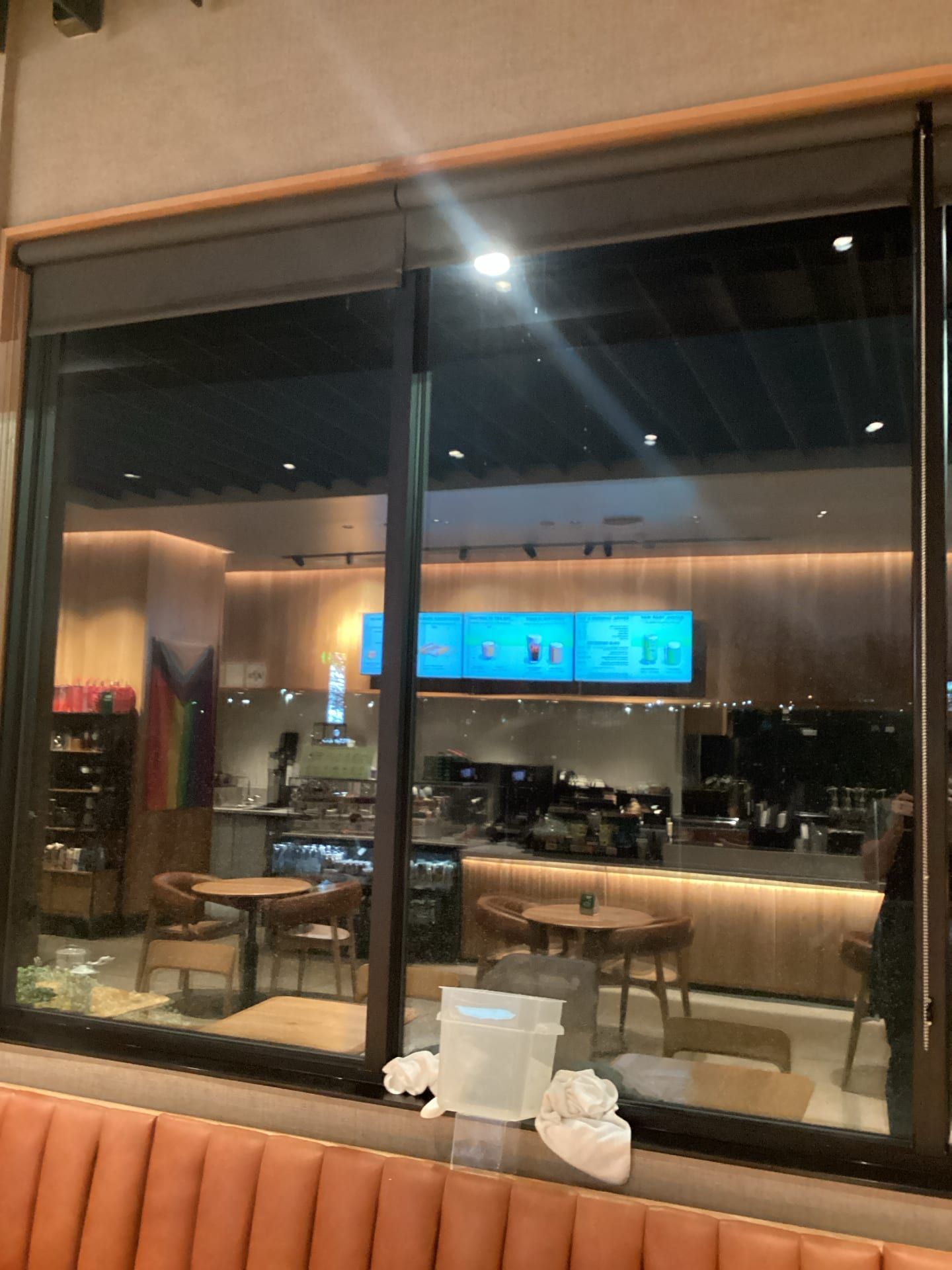
Testing focused on the library’s curtain wall areas at both the north and south ends of the building. A custom-built air chamber was constructed so the team could depressurize the assembly and evaluate air and water performance under controlled conditions. The investigation also included calibration of the pressurized water spray rack equipment and the spray nozzle equipment used during the testing process.
This kind of process is important because building envelope leaks are often misdiagnosed. Without controlled testing, it is easy to assume the visible window area is the source when the actual water entry path may be elsewhere in the wall assembly.
What Building Envelope Solutions Found
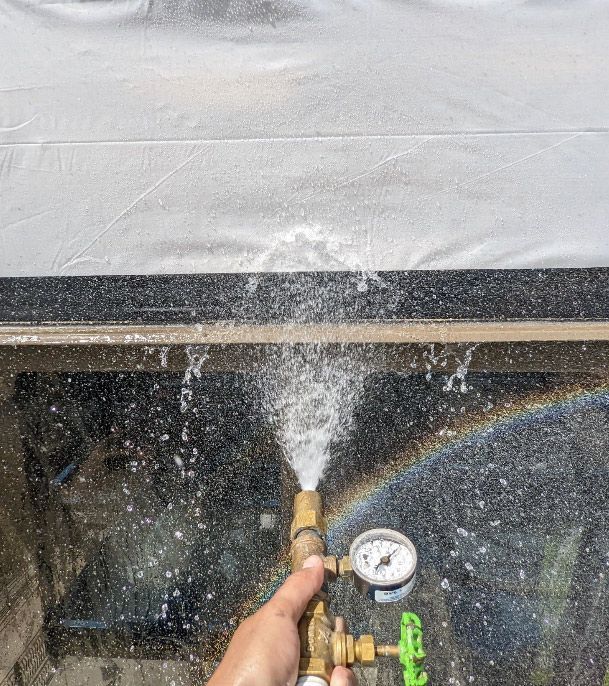
The field testing helped narrow down whether the curtain wall glazing system itself was responsible for the water infiltration concerns. During ASTM E1105 curtain wall spray rack testing, multiple water intrusions were observed, confirming that the building was experiencing active water entry under test conditions.
However, the more targeted AAMA 501.2 isolation testing produced an important finding. When the curtain wall glazing was isolated for diagnostic purposes, no water intrusions were observed. Based on that outcome, the window system was eliminated as the primary source of water infiltration.
That distinction matters. It means the symptoms seen around the curtain wall did not automatically mean the glazing assembly itself had failed. Instead, the investigation helped separate the visible area of concern from the actual source path, which is exactly what a building envelope consultant is hired to determine.
How We Helped
This project gave the UTSA team more than a simple confirmation that water intrusion existed. It provided a more reliable basis for decision-making by showing that the curtain wall glazing was not the source of the leak under isolated test conditions. That allowed the client to avoid unnecessary assumptions and focus attention on surrounding building envelope conditions that may have been contributing to the infiltration.
For owners, facility teams, and contractors, this kind of outcome is valuable because it reduces guesswork. Instead of spending time and money replacing or repairing the wrong component, they can use testing results to guide the next phase of investigation and repair planning with greater confidence.
Why This Matters for Commercial and Institutional Buildings
Water infiltration in a library, university, office, or other commercial property can lead to more than cosmetic staining. Ongoing moisture intrusion can affect interior finishes, disrupt operations, create maintenance costs, and contribute to longer-term deterioration if the true source is not identified.
This UTSA John Peace Library case study shows why controlled testing matters. ASTM and AAMA procedures help building owners move beyond surface-level assumptions and understand how the envelope is actually performing. When a consultant can isolate the system, reproduce leakage, and rule out components that are not failing, the repair strategy becomes much more focused and effective.
Need Water Intrusion Testing in San Antonio?
If your commercial, educational, or institutional building is experiencing recurring leaks, wall-system moisture issues, or unresolved water intrusion around windows or curtain walls, Building Envelope Solutions can help identify the source and guide the next step. Contact our team to schedule water infiltration testing, curtain wall diagnostics, or building envelope consulting in San Antonio.